Why Fort Collins Homeowners Face Unique Storm Damage Risks
Fort Collins sits at the intersection of the Rocky Mountain Front and the high plains, making it a prime target for severe spring and early summer hailstorms. The region experiences some of Colorado's most intense weather patterns, with hail the size of golf balls and heavy, wet snow loads that can arrive with little warning. These storms don't just damage shingles and gutters; they can compromise the structural integrity of your home's exterior carpentry, including decks, fascia boards, siding, and the wooden components that support your roofline.
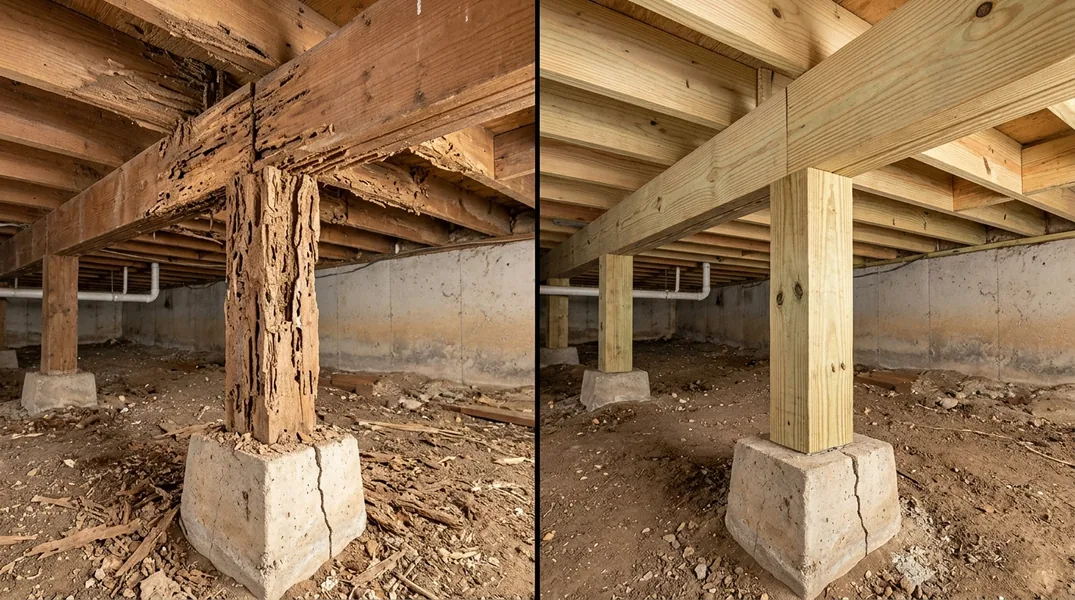
When hail strikes wood surfaces, it creates impact damage that weakens the material's protective barrier. Snow accumulation, particularly the heavy, wet variety common in northern Colorado, adds tremendous weight to deck joists and roof overhangs. Over time, this combination of impact and load stress can lead to cracks, splits, and compromised wood that becomes vulnerable to moisture infiltration. If left unaddressed, this moisture exposure can trigger Wood Rot and Dry Rot Repair needs within months, transforming a cosmetic issue into a costly structural problem.
Identifying Hail Damage to Your Deck and Outdoor Structures
Hail damage to decks isn't always obvious at first glance. Unlike roof damage, which homeowners often spot immediately, deck damage can be subtle yet serious. Look for small dents and divots in the wood surface, particularly on horizontal boards and railings that face upward. These impact marks may seem minor, but they compromise the wood's weather-resistant finish and create entry points for water. In Fort Collins, where UV exposure is intense and seasonal weather swings are dramatic, even small breaches in wood protection can accelerate deterioration.
Check your deck's structural components carefully. Hail can crack or split deck joists, beams, and support posts. These cracks are especially concerning because they weaken the load-bearing capacity of your deck. If you notice any visible splitting in the wood structure, sagging in the deck surface, or soft spots when you walk on the boards, contact a professional immediately. Snow damage compounds this risk; the weight of accumulated snow on a compromised deck can accelerate failure. Pay particular attention to areas where snow tends to accumulate, such as corners and against railings, as these zones experience the greatest load stress.
Storm Damage Carpentry: Assessing Fascia, Siding, and Roofline Damage
Your home's fascia boards, soffits, and roofline trim are the frontline defense against weather. These components absorb the brunt of hail impact and support the weight of snow and ice dams. After a significant storm, inspect these areas closely for cracks, splits, dents, and areas where the paint or protective coating has been compromised. Hail can dent aluminum fascia and create stress fractures in wooden trim boards. Heavy snow can bend or break fascia, and ice dams can force water behind the trim, causing hidden damage inside your walls.
The siding on your home also requires careful post-storm inspection. Hail creates impact marks that may look like small dents but can compromise the siding's ability to shed water. Wood siding is particularly vulnerable; hail can splinter the surface and create cracks that allow moisture to penetrate. If your home has composite or vinyl siding, hail can crack panels and create gaps where water can enter. Storm damage carpentry professionals know where to look for these hidden vulnerabilities. Even if your insurance claim focuses on roof damage, the underlying carpentry damage to fascia, trim, and siding often goes unaddressed, setting the stage for long-term structural issues.
The Connection Between Storm Damage and Wood Rot Development
Storm damage and wood rot are closely linked in Fort Collins homes. When hail or snow damage breaches the protective finish on wood, moisture begins to infiltrate the material. The wood becomes saturated, especially during spring snowmelt and summer monsoon rains. This persistent moisture creates the ideal environment for fungal growth and wood rot to develop. Unlike dry rot, which can spread rapidly through wood even in relatively dry conditions, wet rot requires moisture but can cause damage just as severe.
The timeline from storm damage to rot development is often faster than homeowners expect. Within weeks of a hailstorm, if the damaged wood isn't sealed or repaired, moisture can begin breaking down the wood fibers. By the end of a season, structural rot can be well established. This is why prompt assessment and repair are critical. A professional inspection after any significant storm can identify damage before it becomes a rot issue, saving you thousands in repair costs down the line. If rot has already begun, Wood Rot and Dry Rot Repair becomes necessary to restore structural integrity.
Deck Repair After Snow: Structural Concerns and Solutions
Deck repair after heavy snow requires understanding how snow load affects wood structure. A typical deck in good condition can support a snow load of 20 to 40 pounds per square foot, depending on the design and wood quality. However, a compromised deck with cracks, rot, or weakened joists cannot safely support this weight. After a heavy snow event, even if the snow has melted, the damage it caused may persist. Joists may be permanently bent or cracked, and support posts may have shifted. The deck may feel bouncy or unstable even without visible snow.
The repair approach depends on the extent of damage. Minor surface damage and cosmetic dents can be addressed through sanding and refinishing, though this only solves the appearance issue. Structural damage requires more comprehensive solutions. Cracked joists may need to be reinforced or replaced. Soft wood showing signs of rot must be cut out and replaced with new pressure-treated lumber. Load-bearing components may require sister boarding (attaching a new joist alongside a damaged one) or full replacement. Professional assessment is essential because deck safety is a life-and-death issue; a failed deck can cause serious injury. If you're uncertain about your deck's condition after a storm, reach out to Fort Collins Carpentry at (970) 818-5680 for a thorough evaluation.
When to Call a Professional: Storm Damage Assessment and Repair
Deciding whether to tackle storm damage repair yourself or hire a professional depends on the extent of damage and your comfort level with carpentry. Cosmetic damage like small dents and minor paint damage can sometimes be addressed by homeowners. However, structural damage, rot, or anything involving load-bearing components should always be handled by professionals. Mistakes in structural repair can compromise your home's safety and may violate building codes, creating liability issues if someone is injured.
Professional storm damage assessment offers several advantages. Experienced carpenters know exactly where hidden damage occurs and understand how storm damage interacts with your home's specific construction. They can identify damage that insurance adjusters may miss, potentially increasing your claim payout. They're familiar with Fort Collins building codes and can ensure repairs meet all local requirements. Most importantly, they carry insurance and provide warranties on their work. If you've experienced hail or heavy snow damage, contact Fort Collins Carpentry for a free estimate. We'll assess all visible and hidden damage, explain your repair options, and provide a detailed quote so you can make an informed decision about protecting your home.
Looking for a professional carpentry contractor in Fort Collins? Fort Collins Carpentry responds fast for all your carpentry needs.
Get a Free QuoteOur services: Wood Rot & Dry Rot Repair · Termite Damage Repair · Floor Joist & Subfloor Repair